The Heart of IWEHA
On September 02, 2025 the Initiative for Women's Equity in Health Access (IWEHA) conducted its very first community outreach in Shyira Sector, Nyabihu District, under the theme "Her Health, Her Dignity: Understanding and Managing Menstruation with Confidence."
The event marked a milestone for IWEHA, bringing our mission to life: ensuring that women and girls, especially those in underserved communities, have equitable access to health information and resources. Our vision is to see every girl and woman empowered with the knowledge to make informed decisions about their health.
A Campaign Rooted in Dignity and Confidence
The campaign aimed to equip adolescent girls with accurate, age-appropriate knowledge on menstrual health, dismantle harmful myths around the subject, and empower them to navigate their period with dignity and confidence. Our intial goal was to reach 130 girls between the ages of 12–22, but at the end of the day, we had welcomed 118 participants, a reminder of how immense the need is for such initiatives. Accordingly, we had community educators with backgrounds of training on sexual and reproductive health lead the session.
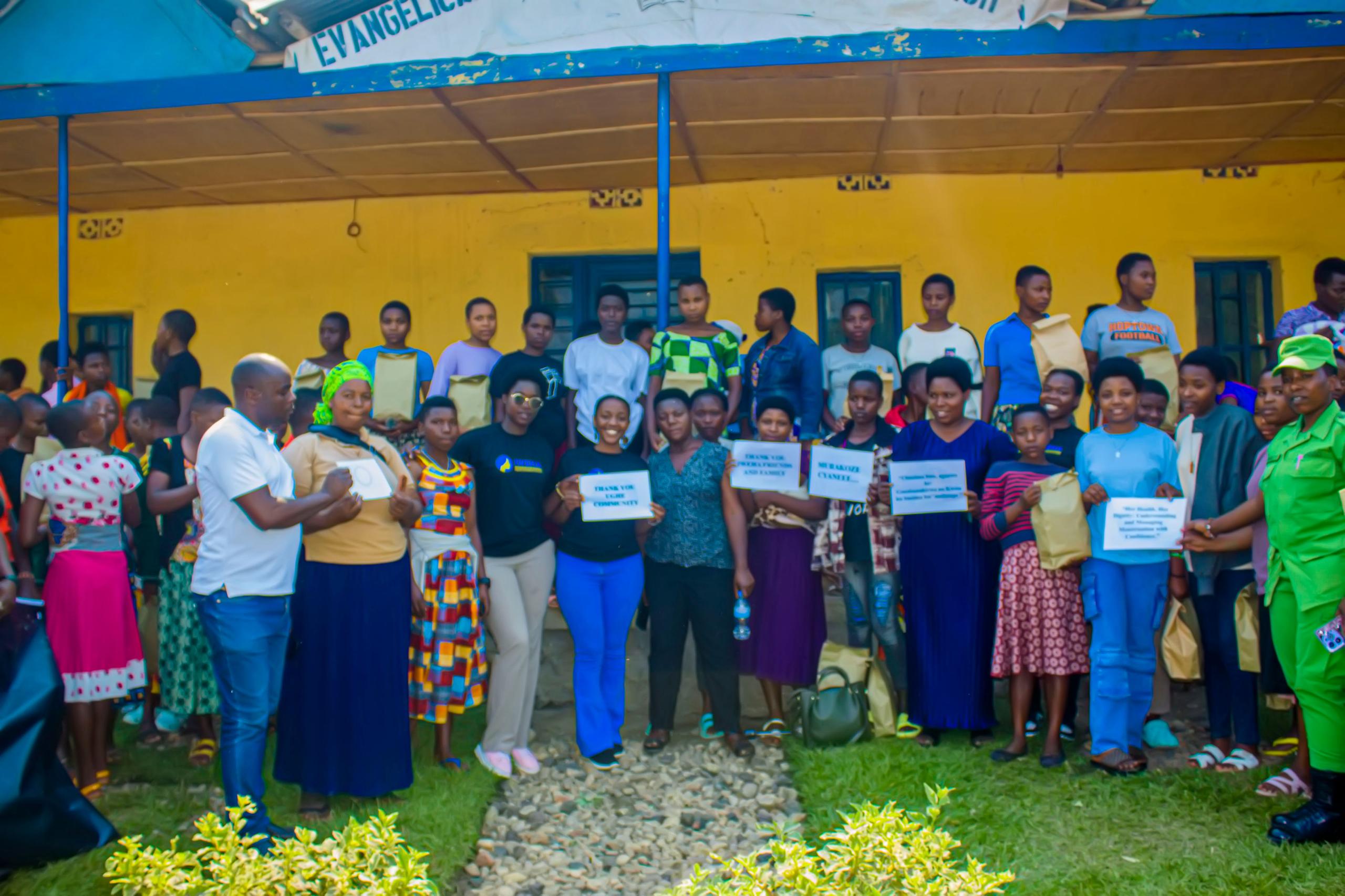
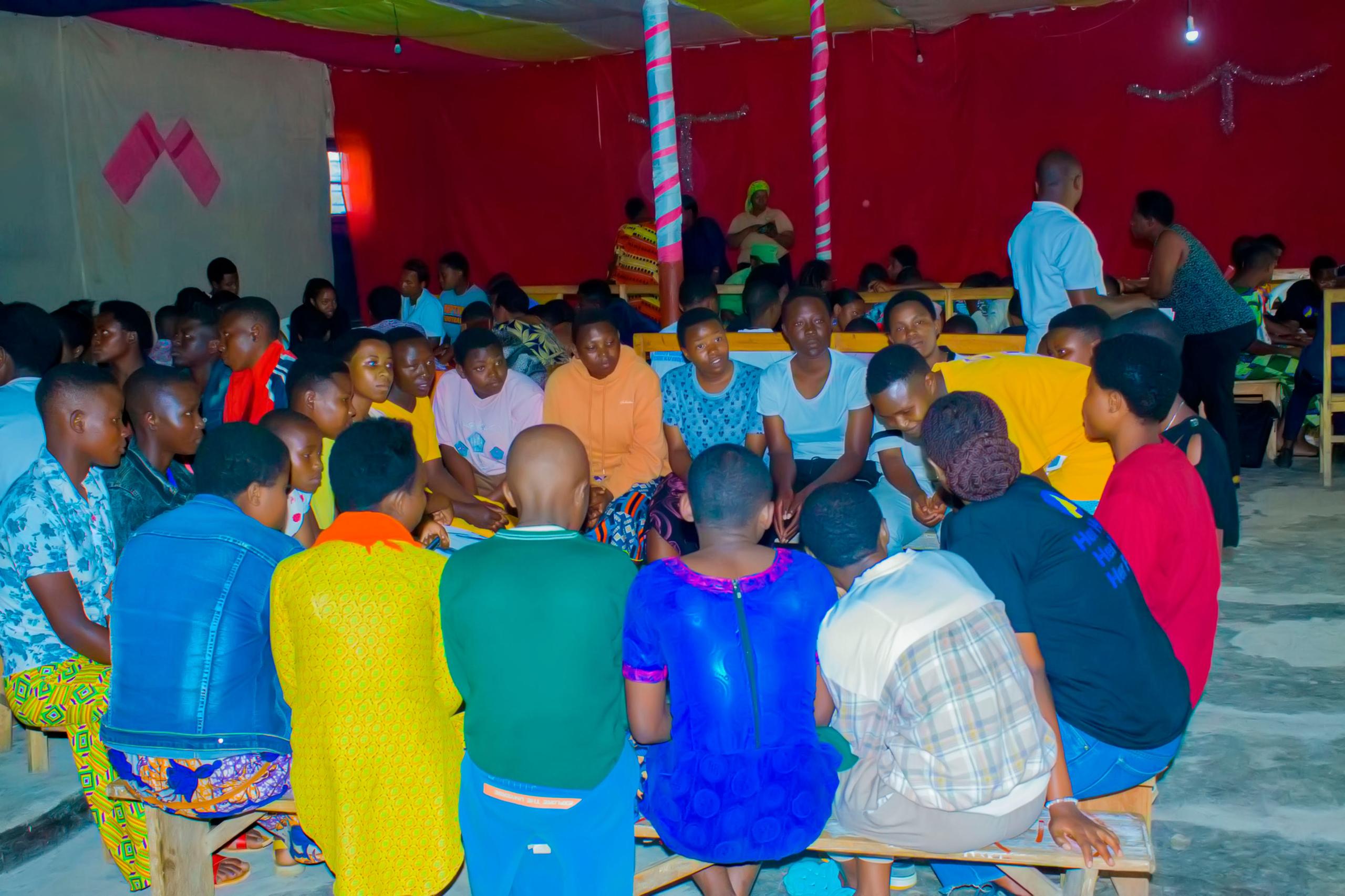
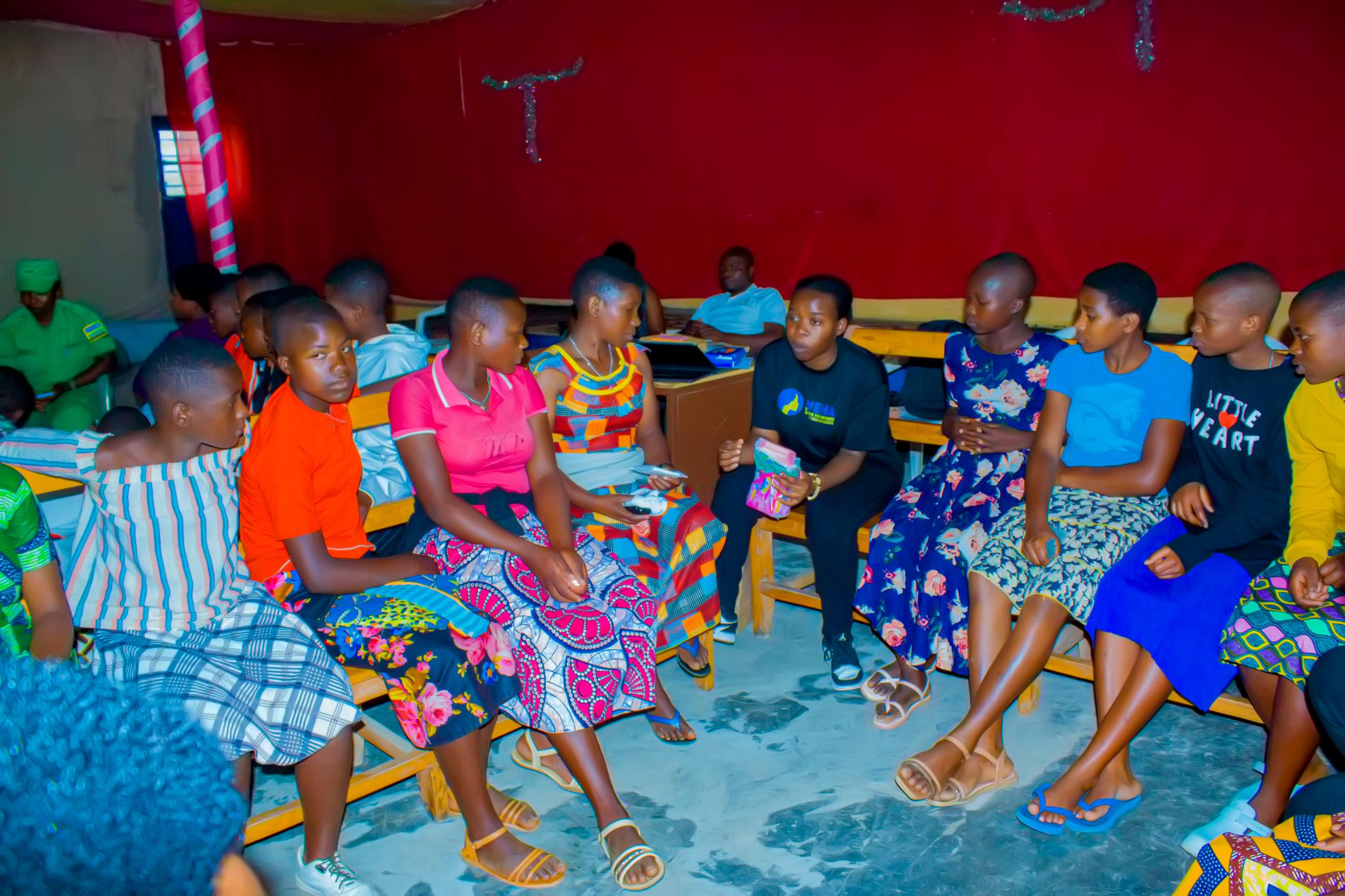
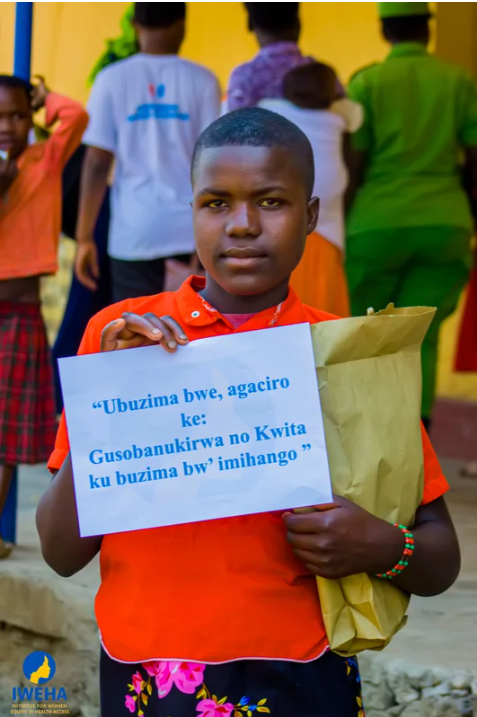
Scenes from the September 02 outreach session — Shyira Sector, Nyabihu District
Building Knowledge Through Active Engagement
The day began with welcoming remarks, an introduction to IWEHA's mission and vision, noting how the seeds in each youth, equipping them with knowledge, foster growth. The session continued a lively and interactive Q&A facilitated by IWEHA's YouTube Channel "Menstrual Cycle with Grace Discussions" and the discussions on proper pad use and menstrual cycle.
Myths Meet Facts
One of the most impactful sessions was the myth-busting game, where girls voiced common myths and misconceptions about menstruation. These included statements such as the ones quoted above. This exercise opened up a remarkably candid conversation about how deeply rooted these beliefs are — and how much harm they cause. Girls, some visibly moved, expressed relief in learning that none of these myths are true. The facilitators replaced each myth with clear, medically accurate information, creating a powerful "aha" moment across the room.
This was a turning point: the girls no longer felt alone in their confusion, and they began to see that their experiences were shared — and manageable — with the right knowledge.
118 Ambassadors of Confidence and Dignity
The change started to show at the end: the girls began asking thoughtful questions about menstruation and reproductive health, questions they may have been too afraid or too embarrassed to ask before. It was a solid start. Beyond numbers, this outreach created a safe space for dialogue and gave girls the confidence to talk about menstruation openly, replacing shame with dignity. Most importantly, it reinforced the power of awareness: often, after knowing the correct information, girls make informed decisions about their health and bodies, thus growing with confidence and ready to contribute to their personal growth and community well-being.
To provide accessible, inclusive, high-quality health education and support systems for women and girls, empowering them to make informed decisions about their sexual, reproductive, and overall well-being.
A community where every woman is empowered with resources to make informed sexual and reproductive health decisions, regardless of their age or socioeconomic background.
This Is Just the Beginning
The day closed with a powerful message of encouragement: "Periods are normal. You are powerful. You are not alone." The event left girls more aware, more ready, and equipped with knowledge and confidence to be better colleagues in school, and contributors at home, and ambassadors of sexual and reproductive health.
This is the first of many steps IWEHA will take to ensure that no girl in Rwanda is left without the knowledge and support she needs to thrive.